
Related Posts
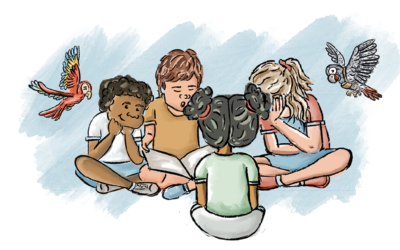
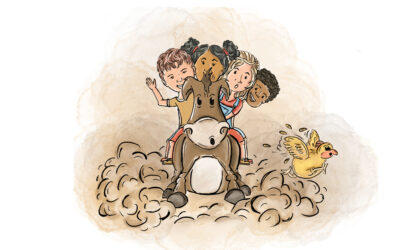

Literature in any language is the gateway to knowledge, to language acquisition and to amazing imaginary worlds. Using literature as a tool for language teaching in the classroom allows for a richer learning environment where learners are encouraged to explore and use the language while learning. Teachers and parents should be encouraged and equipped to use literature while teaching children.
In this article we are going to explore the use of literature in the language classroom. We will look at how literature and the Giftlands series can be used in the classroom.
What is children’s literature?
Children’s literature is material that is written especially for children. This includes fictional material and non-fictional material. These materials have been planned and written according to the age of the child, their reading level and the topics associated with the relevant curriculum.
Some examples of literature:
- Short stories
- Poems
- Novels
- Plays
Literature as a tool for language teaching.

Using literature in the language classroom has a number of benefits, for the teacher as well as the students. If we think of literature in the classroom our first thought is more often than not, textbooks. Textbooks are mainly used to teach something specific, so the language is informative rather than entertaining.
Literature such as short stories, novels and poems provides entertainment and motivation for the learners to interact with the language. The correct literature provides the learner with a rich linguistic input and a wide range of new vocabulary. It gives the learner memorable context for processing and interpreting language.
The right literature plays a vital role in teaching the four basic skills in language: speaking, listening, reading, and writing. Using literature as a tool for language teaching can allow the teacher to cater for all of the different learning styles within the classroom. This means that all of the learners are engaged in the lesson as well as the literature provided. The text used can become a multi-sensory experience by using audio, films and music to engage and entertain the learners.
7 Questions to consider before choosing literature for the classroom
Whether you are choosing literature for your child or for your classroom there are a couple of things that you need to keep in mind. The questions below will guide you in choosing the perfect literature for your child/classroom.
- What is the subject matter that you want to cover?
- At what language level are the learners in your class?
- What will the ideal length of the text be?
- Does it require prior knowledge for the learners to understand?
- Is it offensive in any way?
- Can you use it for teaching other language structures?
- Does the story allow learners to ask questions, make predictions, use their imagination?
As a parent you can find more information on how to choose the right book for your child in our article, The key to choosing the right book for your child.
Tips to help you use literature in your classroom

Every teacher knows that having a couple of tricks up your sleeve helps to make a lesson run smoothly. This is essential when using literature in a classroom! There are a lot of strategies that you can use in the classroom. Here are a few easily implementable ideas for you to consider.
- Have a dictionary on hand or make your own.
- Read books with pictures to help the learners figure out the story. This is also ideal for speaking activities where learners have to figure out what will happen next in the story.
- Read aloud to the learners. This will improve their listening skills and will teach them the correct way to pronounce words.
- Make it entertaining! Use your voice and face when you read aloud to express what the characters are feeling and experiencing.
- Get the class talking. Let the learners participate in the reading, storytelling and predictions of the story.
- Let learners use the story in a creative way through by making posters, writing letters and role-playing scenes.
- Talk about the challenges that the characters experience. This will help learners understand other cultures, different people, tolerance, understanding & universal themes, like love, hate, war and loss.
- Encourage learners to write their own literature using different genres. Allow then to use their imaginations to create stories and worlds of their own.
How to use the Giftlands series in the classroom.
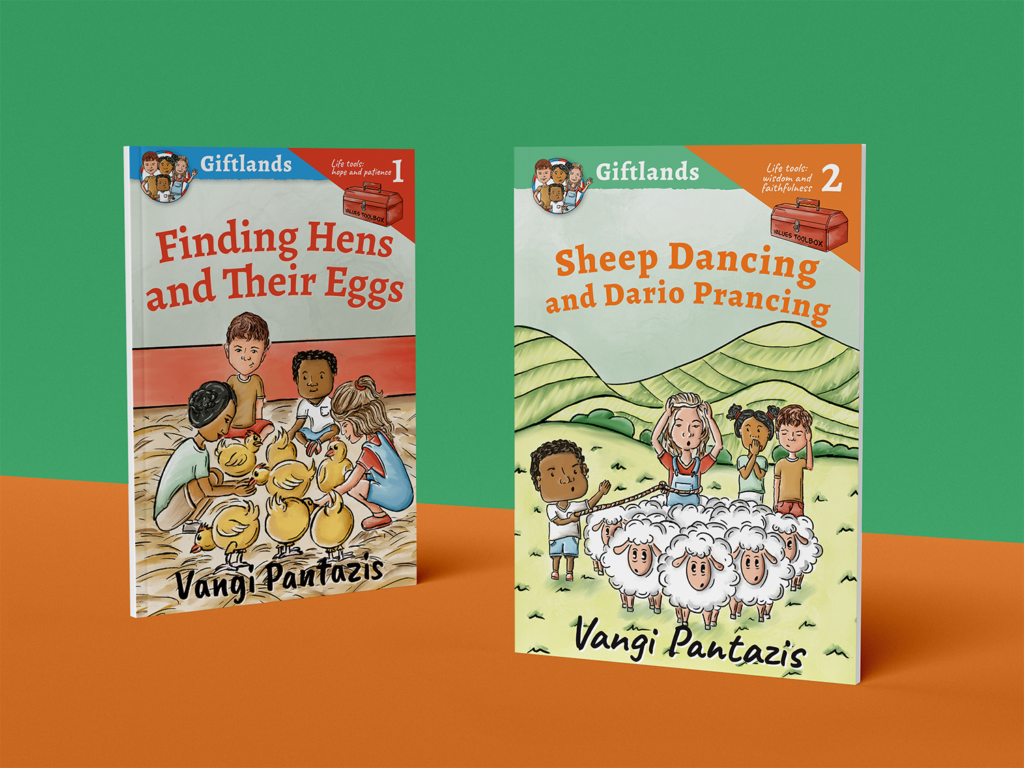
The Giftlands series are the ideal books to use in the language classroom, the stories are exciting, the characters are relatable, and best of all each book teaches important life tools!
The farm’s beloved donkey is has to dance with the sheep in Sheep Dancing and Dario Prancing. But poor Dario is not sure that he can dance as his words attest:
“I’m just a donkey and donkeys don’t dance.”
Dario
This short little poem is the perfect way to introduce alliteration to a class. You can find it throughout the book, it is easy to understand and the learners will relate to poor Dario!
What is alliteration?
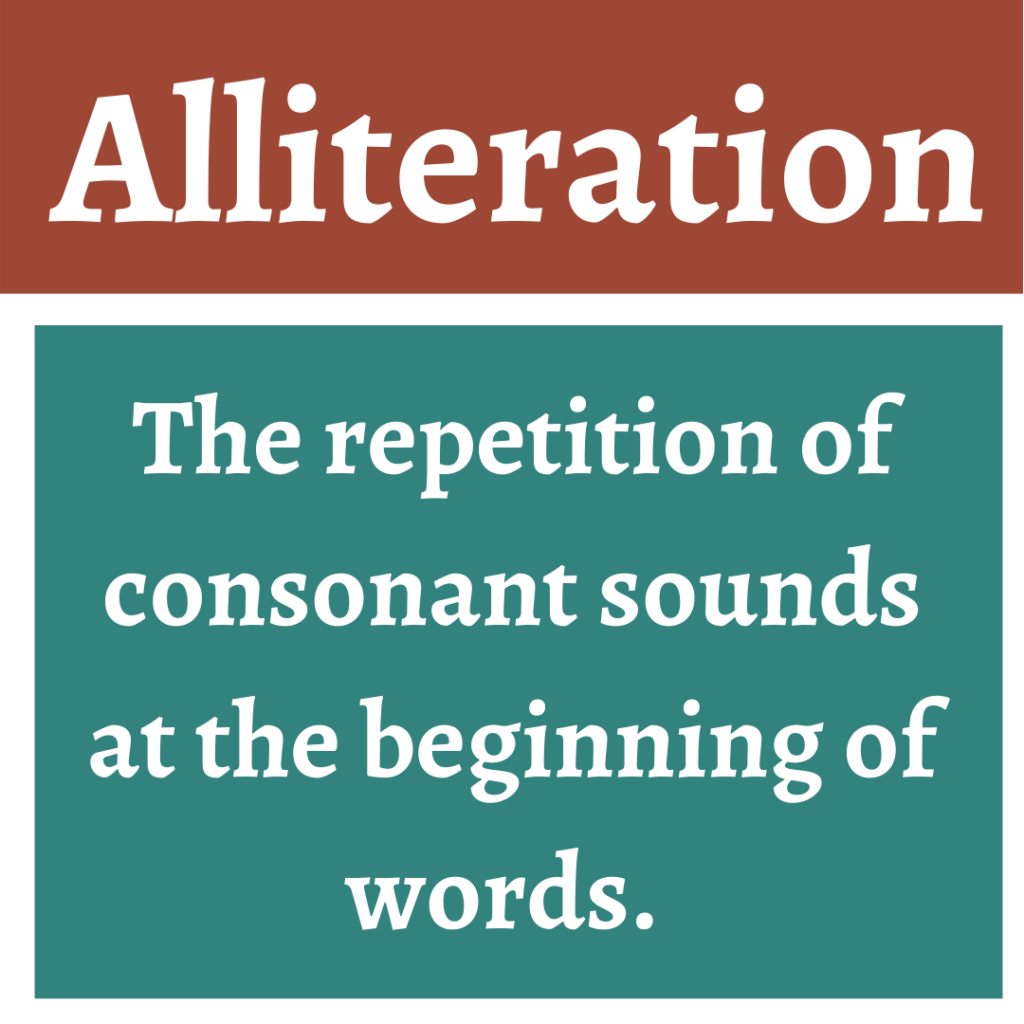
Highlight the alliteration in the poem:
I’m just a Donkey and Donkeys Don’t Dance.
Activity using alliteration and the contents of the book:
Make your own sentence with alliteration – use three words starting with the following letter: T for Tuma / N for Nala.
Conclusion
Using literature in the classroom allows the teacher to base language learning on authentic, interesting, and entertaining text which will allow and encourage learners to be more involved in the classroom. Choosing the right literature is very important, but being excited and passionate about the literature will rub off on the learners and make life long readers out of them!
Blogger Bio
Nadja Botha is a qualified teacher, writer and mom. She has an Honors degree in English Language Education and Children’s literature. With a passion for education and seven years of teaching experience, she has a multi-layered understanding of the structure of children’s literature and the use thereof in the acquisition of language. After teaching she ventured into the publishing industry where she specializes in educational content, children’s fiction, editing and writing. Her experience as managing editor within the publishing industry has allowed her to work on an international publishing project which focused specifically on creating educational content for a European-based publishing house.